
What Makes a Surfboard Work in Small Waves

"80% of surf sessions happen in small waves. If you're waiting for good surf, you're missing most of your time in the water."
The good news? The right board completely changes the game. Small, soft, mushy conditions stop being frustrating and start being some of the most fun sessions of your year. At HELM Supplies, we design hybrid surfboards built to extend every session - boards that perform in the real conditions most surfers actually face, not just the Instagram-worthy swells.
Not all boards are created equal when the surf is small. Three key factors determine whether you're going to thread through waist-high crumblers or sit frustrated on the shoulder.

Surfboard Guide 2026
Volume, rocker, outline - the three factors that matter most when the surf is small.
Foam (Volume) and Small-Wave Performance
Foam or Volume (measured in litres) is one of the most important specs for small-wave performance. As we've all heard, "Foam is your friend." Of course rocker, width, length, and how it's all put together is going to make a huge difference - but if you compare the same exact board with the same dimensions except for thickness, more foam/volume is the key ingredient to how well that board is going to help you. More volume = more float = easier paddling = earlier wave catching. In weak, slow conditions where waves have less energy to pick you up, extra float does a huge amount of the work for you. As a rule of thumb, ride more volume in small surf than you would on your everyday shortboard.
Volume directly affects flotation and paddling efficiency. In weak, low-energy surf, there isn't much push to lift you into the wave. Extra foam compensates for that lack of energy - it allows you to generate forward momentum sooner and access waves that would otherwise pass underneath you.
More volume = more float. More float = easier paddling. Easier paddling = earlier wave entry.
For small surf, increasing volume relative to your standard shortboard is not about performance compromise - it's about optimizing efficiency for the conditions. Ride the foam when the waves don't provide it.
Rocker - Less is More
Rocker is the curve running from nose to tail along the bottom of the board. A flatter rocker allows the board to plane faster and generate speed on its own - critical when the wave isn't doing the work for you. High-rocker performance shortboards kill your speed before you've even stood up in small waves. HELM's boards feature low-to-moderate rocker profiles to keep things fast.
Outline - Width = Planing
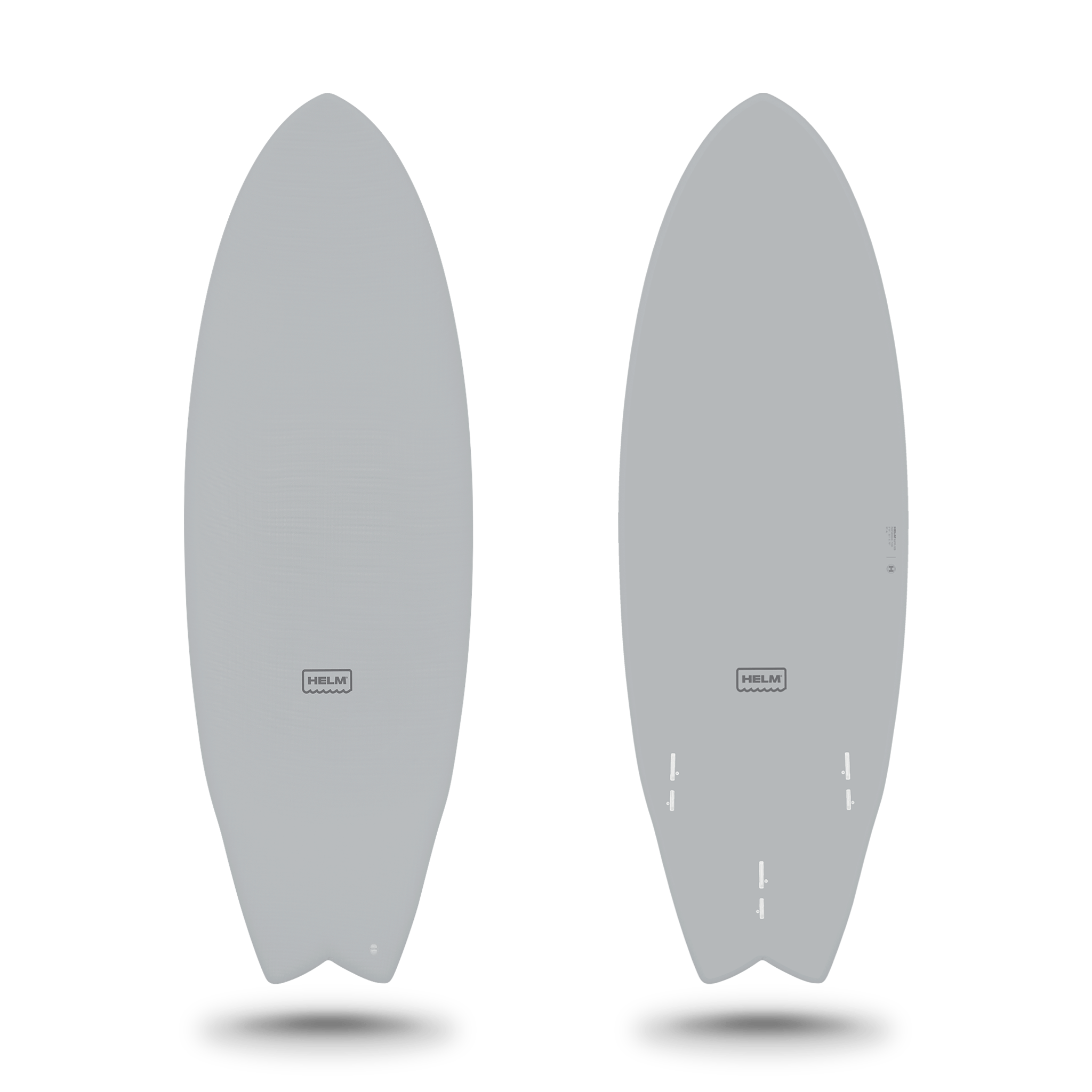
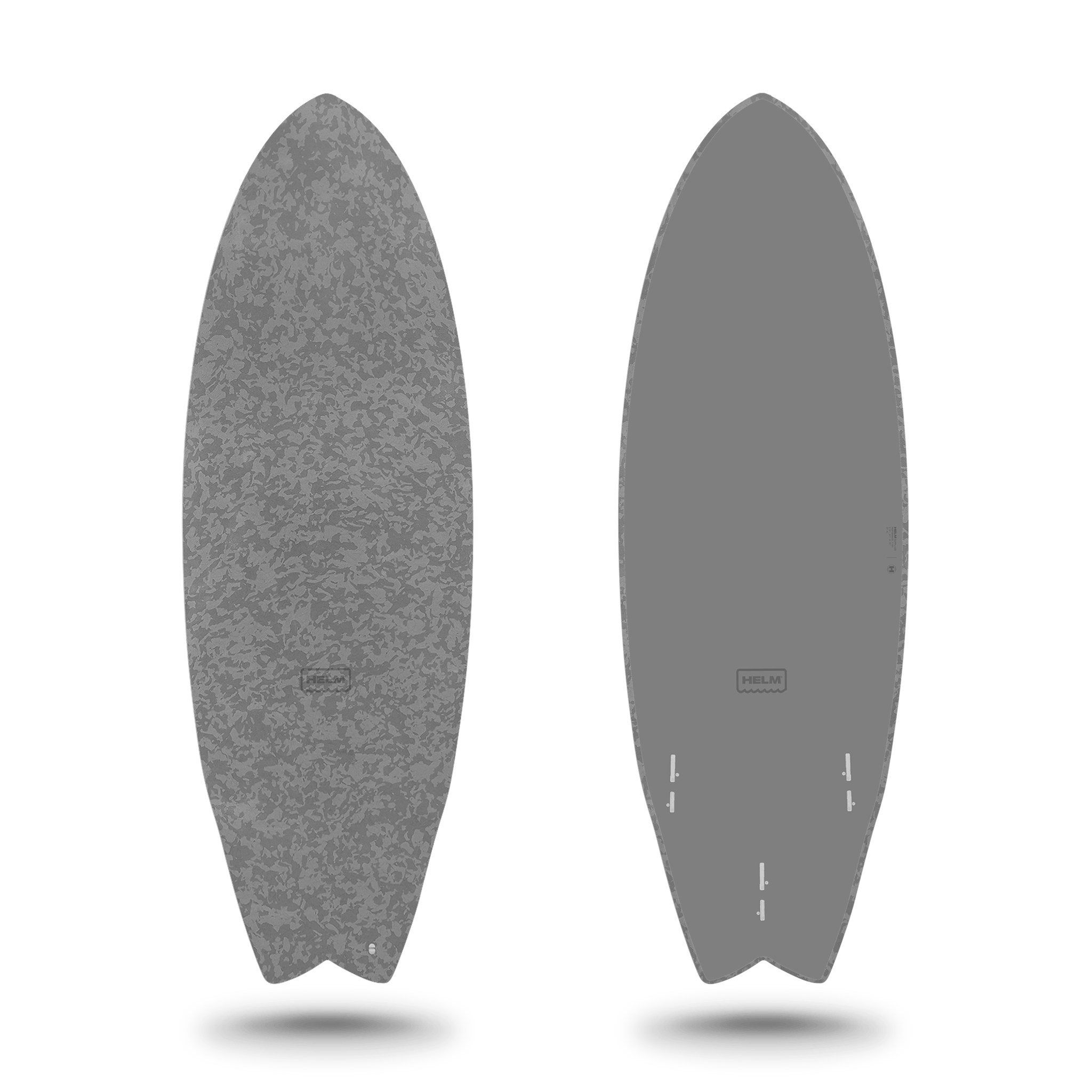
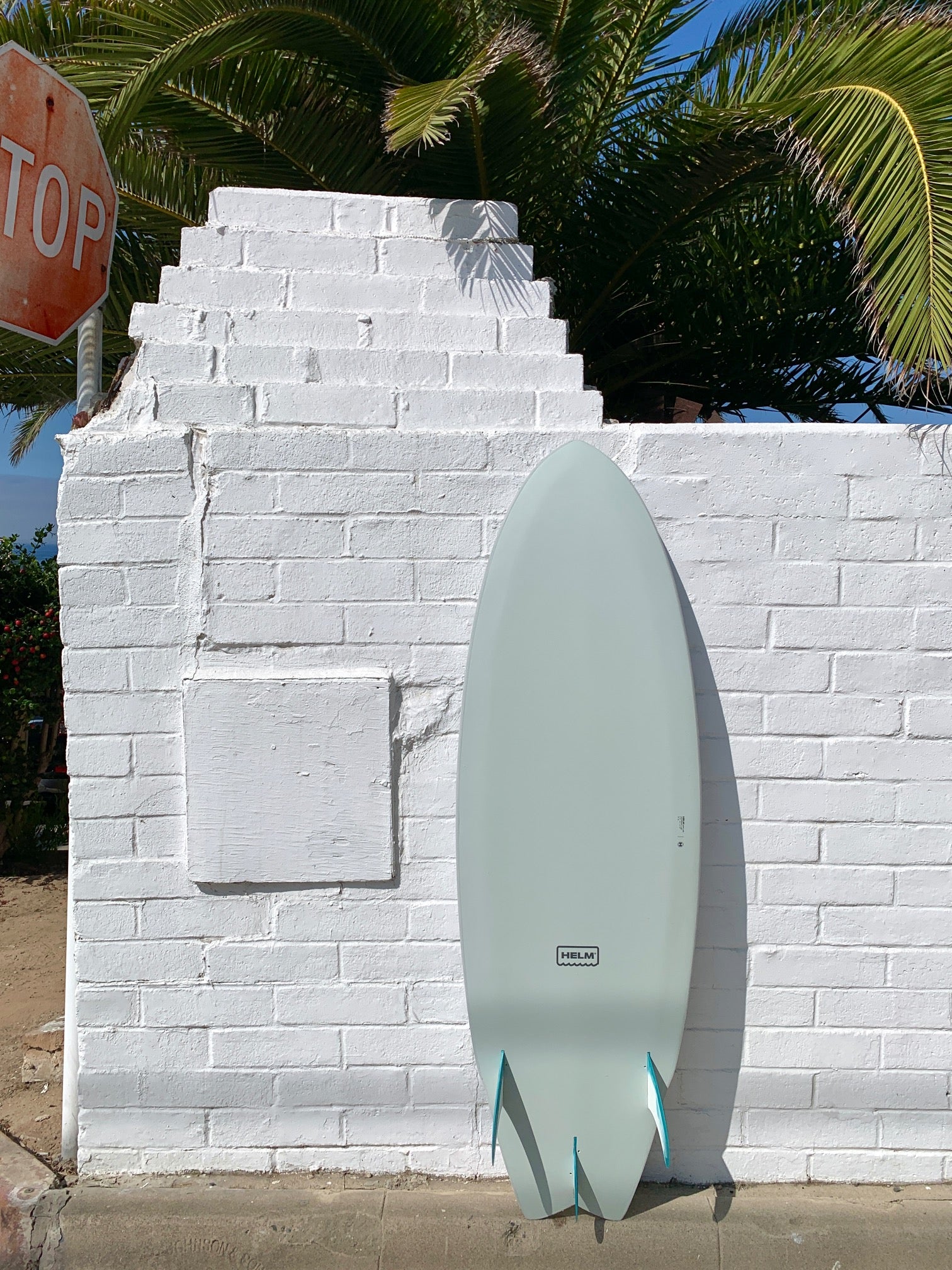
A wider outline, particularly through the nose and tail, increases the board's planing surface. This translates directly to speed in soft conditions and makes it much easier to catch waves early. Fish shapes, mini simmons, and egg templates all use wider outlines for exactly this reason.

Volume Guide: How to Size Your Small-Wave Board
Foam is your friend - don't hesitate to add a little extra float, especially with the HELM boards. They're designed to stay user-friendly and efficient at higher volumes while remaining responsive, thanks to properly foiled rails, clean thickness flow, and balanced outlines. The chart below is a starting point - not a rulebook. Riding slightly under the suggested range increases sensitivity and maneuverability. Going slightly over improves paddling power and early entry. Still not sure? Contact the HELM team and we'll help you dial it in.
| Surfer Weight | Beginner | Intermediate | Advanced |
|---|---|---|---|
| Under 130 lbs (60kg) | 36–40L | 32–36L | 28–34L |
| 130–165 lbs (60–75kg) | 40–46L | 36–42L | 32–38L |
| 165–200 lbs (75–90kg) | 46–52L | 42–48L | 36–44L |
| 200+ lbs (90kg+) | 52L+ | 48L+ | 42L+ |
FAQ: Small Wave Surfboards
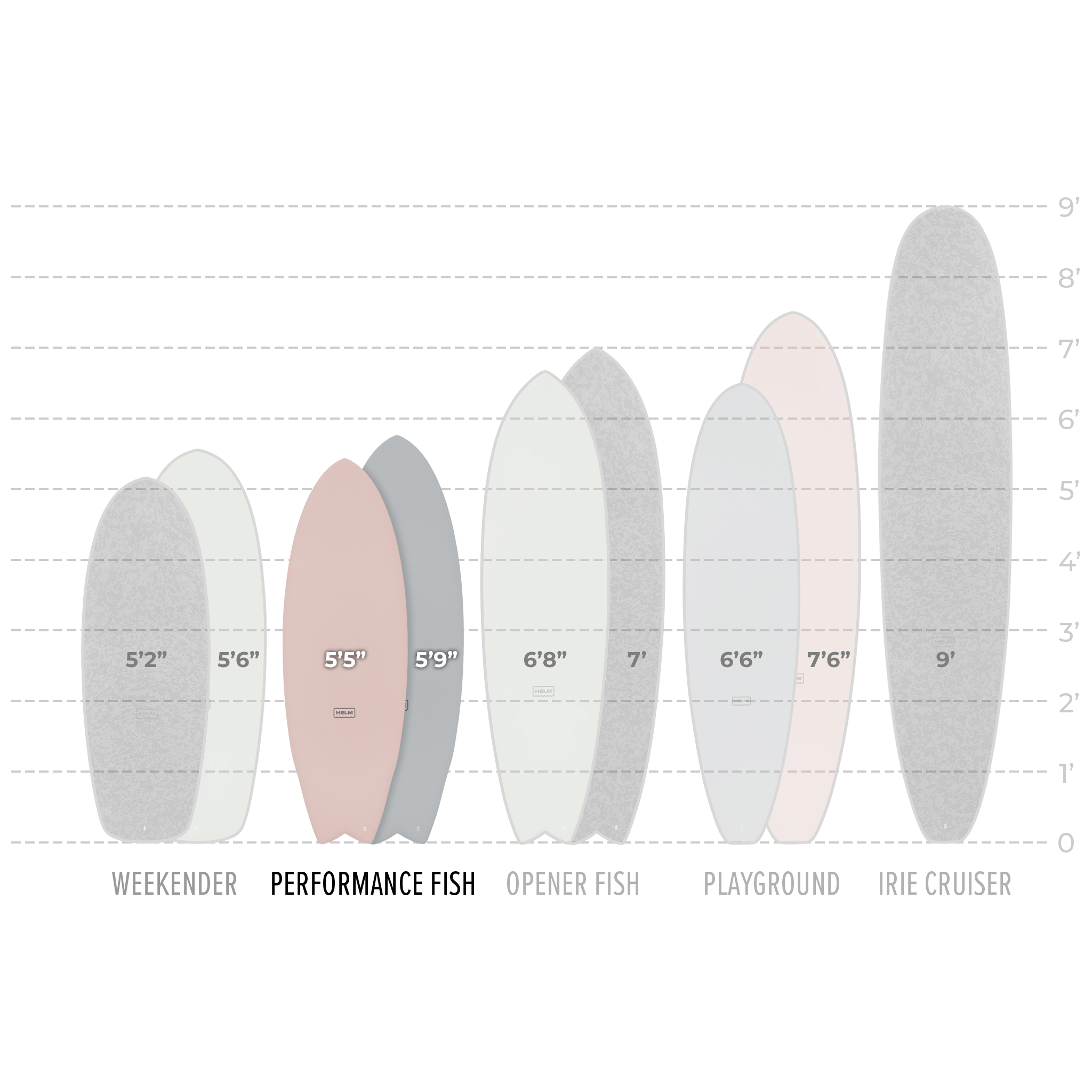
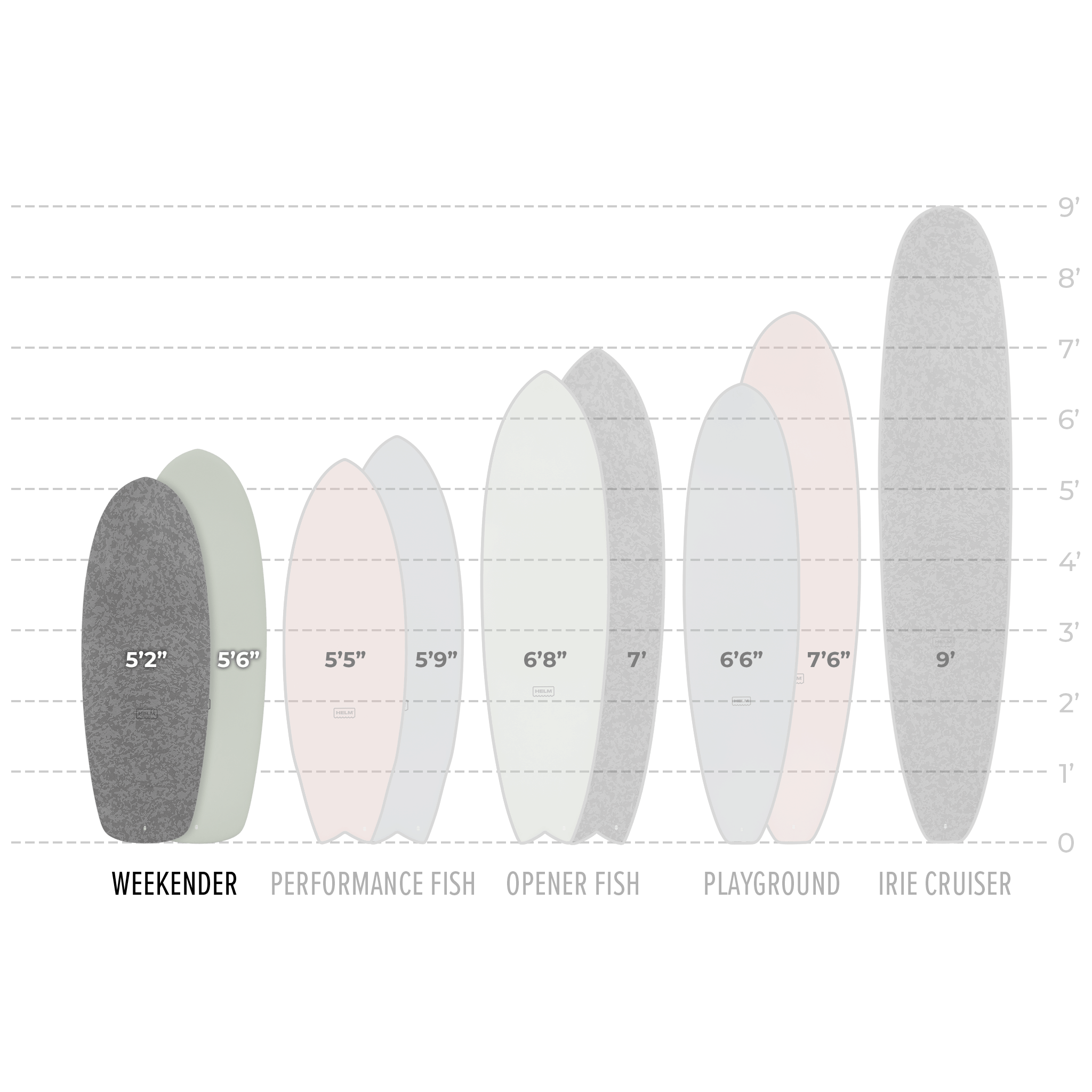
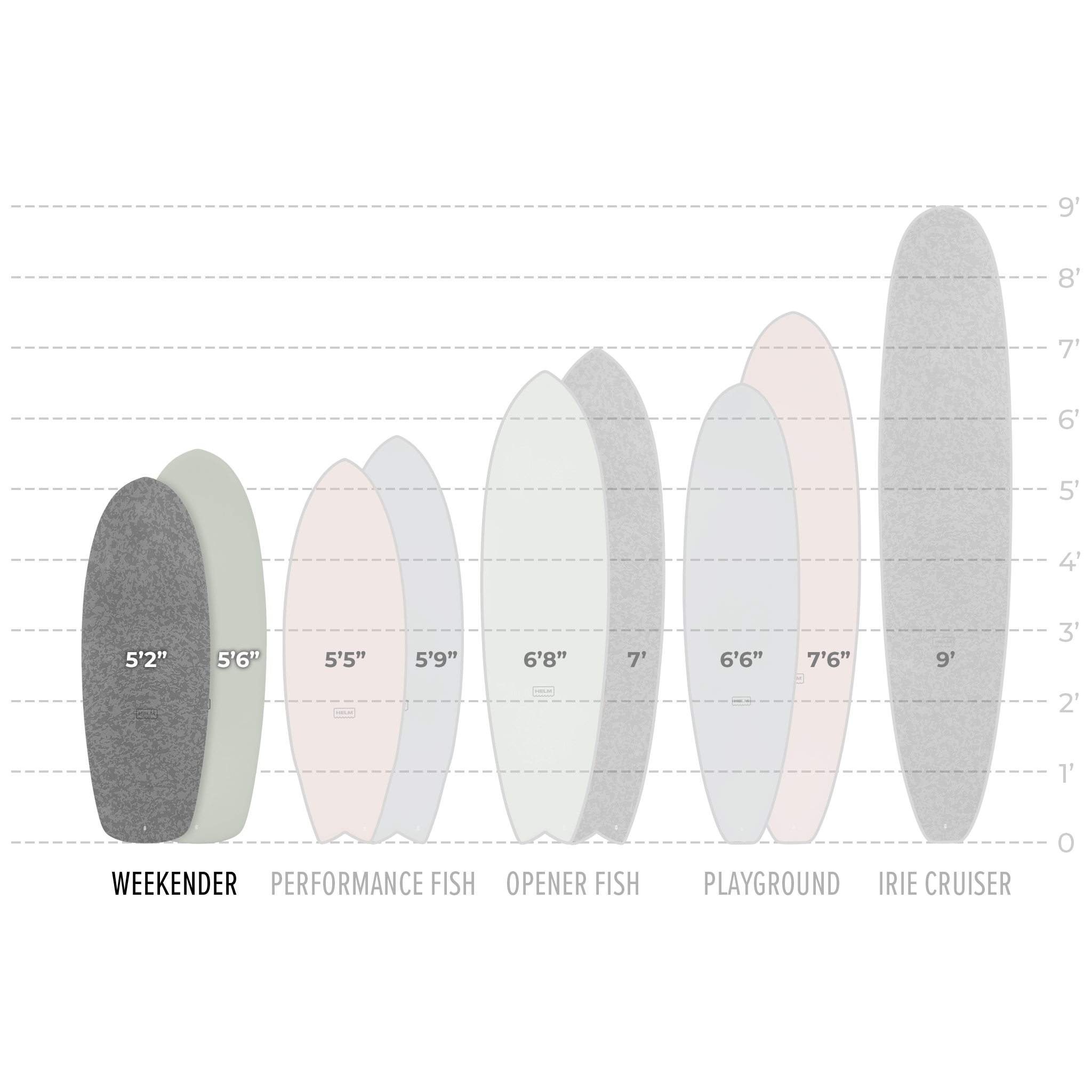
Want to see these principles in action? We break down the full HELM small-wave lineup - Performance Fish, Opener Fish, Playground & Weekender - in our board-by-board guide →